Nothing New on the Western Front
Novel by Erich Maria Remarque
Short on time? Click here
A personal anthology
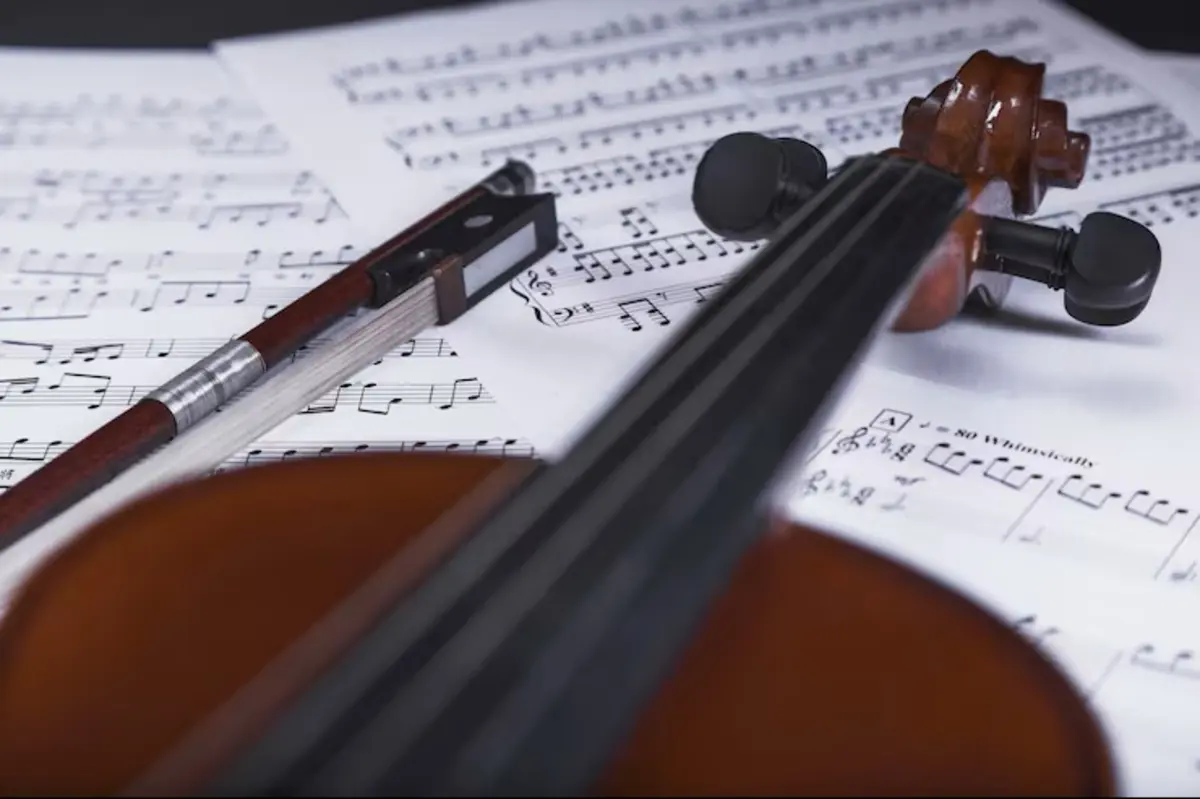
In my opinion, string quartets are the best form of intimate expression for a composer. The sonic mass achieved, although limited to its four classical components (first violin, second violin, viola, and cello), is capable of expressing musical ideas with great depth. Every great composer after Haydn has at some point in their life expressed themselves through quartets.
It is impossible not to begin the list with Beethoven. The composer reached the apex of composition by expressing himself through the string quartet. His musical revolutions are easily distinguished through them. Starting from Op. 59, the level of composition reaches something complex and profound, never seen before. I start my list with the three Op. 59, with the first bringing back affectionate memories of my initiation into classical music.
It is worth explaining a bit more about my attachment to Op. 59, especially number one in F major. I began my contact with classical music through the guitar in my youth, around the age of 14. I already had musical initiation through a marching band I was part of. I played the trumpet at the time. As is common in youth, when we are exposed to something we like, we seek more and more of that object of satisfaction. At that time, I was an avid listener of nativist music (regional music from Rio Grande do Sul) that makes intensive use of the guitar. I tried to replicate these solos, usually on borrowed guitars, as I did not yet have my own.
In the fervor to find more material about the guitar, I stumbled upon increasingly difficult instrumental pieces. First, the great gaucho guitarist Yamandu Costa. Then the great Raphael Rabello. Progressing in my musical exposure, I found classic pieces for the guitar by Tárrega, Aguado, Albeniz, Mangoré, and finally, Bach. A great satisfaction was encountering Joaquín Rodrigo’s Concierto de Aranjuez for the first time. How could an orchestra achieve such sonic depth? That marked me profoundly.
From concertos for guitar, it didn’t take long for me to start appreciating symphonies, concertos, and chamber music. But everything changed the moment I heard Beethoven's Op. 59 No. 1. I remember it as if it were today, leaving my grandmother's house with headphones on, pressing play. I must have been heading to some appointment on a sunny afternoon with pleasant weather. It was the first time I experienced the cathartic feeling of classical music. The entire world ceased to exist while everything seemed to make sense. The feeling of listening to such a powerful piece of music is truly inexplicable and hard to put into words. After that first listen, I remember playing the piece countless times.
Since then, string quartets have been my favorite style. As stated in the playlist below, Beethoven takes center stage in this genre. Mozart is the ultimate exponent of classicism. Shostakovich, with his overwhelming eighth quartet, is a significant highlight. Bartók, with his strangely irregular music, seems to be Beethoven's successor dressed in modern sounds. Haydn, the father of the style, must not be missed. Schubert, Mendelssohn, and Dvořák also make invaluable contributions.

Comments
Be the first to comment!
Leave a comment
All comments are moderated before publication.